
|
Investment accounts should never be left unattended. Beyond the potentially obvious performance implications, when there’s no owner initiated activity or confirmed contact for an extended, state defined period, an account can be classified as dormant – a status that may ultimately trigger the escheatment process, where assets can be transferred to the state. Taking simple, periodic actions can help ensure your accounts remain active and fully under your control.
What Counts as a Dormant Account?
Ater a dormancy period – typically three to five years – the entity holding the assets in the account performs its due diligence and attempts to contact the account owner. If no response is received, the escheatment process is triggered, which typically involves indicators, such as:
- No account activity, including no trades, transfers, or direct contact
- Returned or undeliverable mail or outdated contact details
- Uncashed dividend or distribution checks
What Is Escheatment?
Escheatment is the legal process where financial institutions must transfer abandoned or unclaimed investment accounts to the state once the dormancy period has passed. After an account is escheated:
- The state may hold the securities for a limited time but will then typically liquidate them, keeping the cash value.
- If you later file a claim and are approved, the state usually returns only the cash value at the time of escheatment – not future market gains or dividends.
How Can You Avoid Escheatment?
- Consolidate accounts – it’s relatively simple to overlook and forget about non-core accounts
- Initiate investment activity periodically, even if it is minor
- Keep your mailing and email address up to date
- Respond to notices or outreach from your financial institution
- Cash dividend or distribution checks promptly
Accounts often become dormant because of overlooked communication rather than intentional neglect. By staying engaged with your accounts and keeping your information current, you can avoid unnecessary escheatment and help ensure your investments continue to work for you now and into the future.
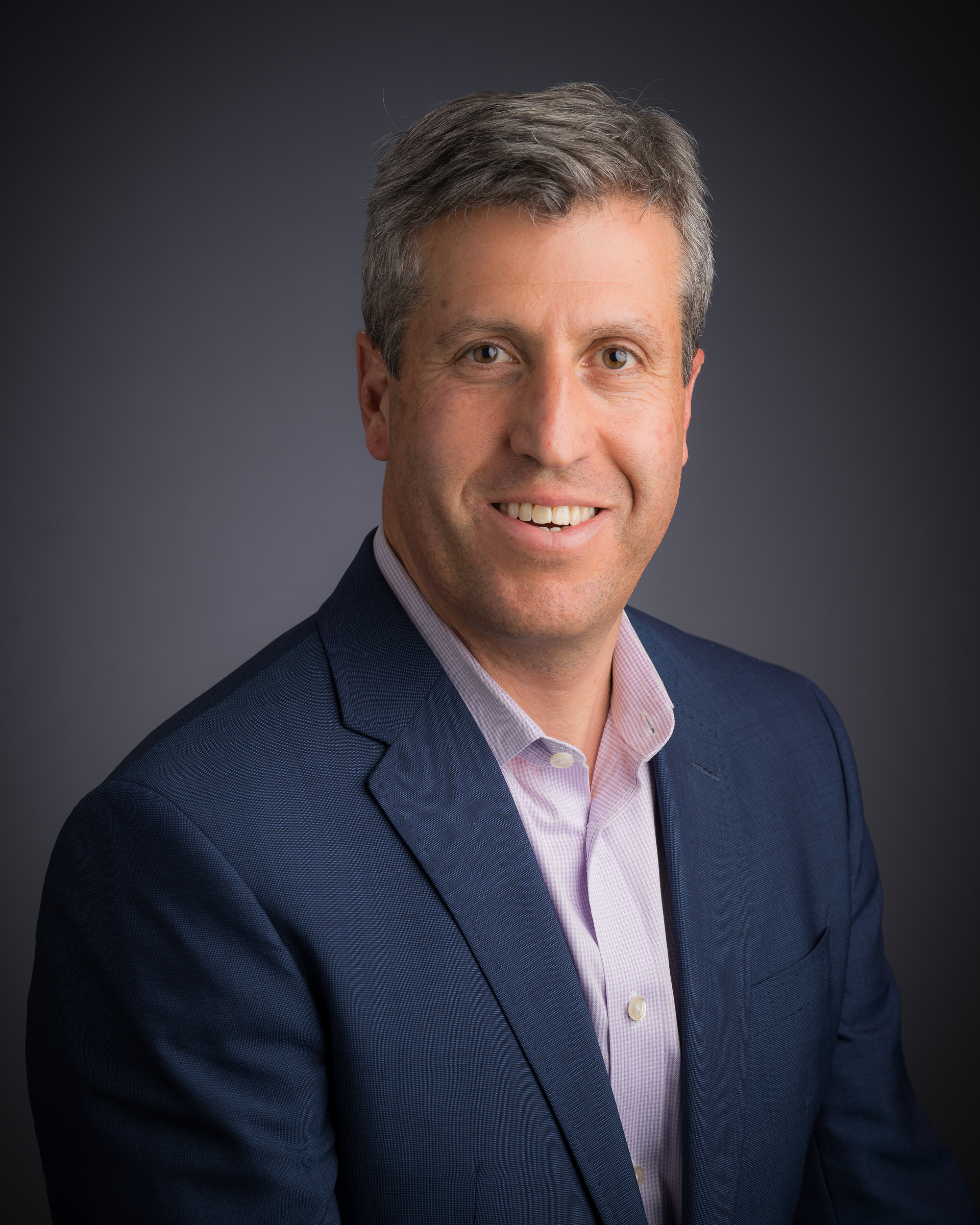
Roger Saks, AIF®
Managing Director/Investments
(212) 328-1680 Direct
roger.saks@stifel.com
|
|
|
|